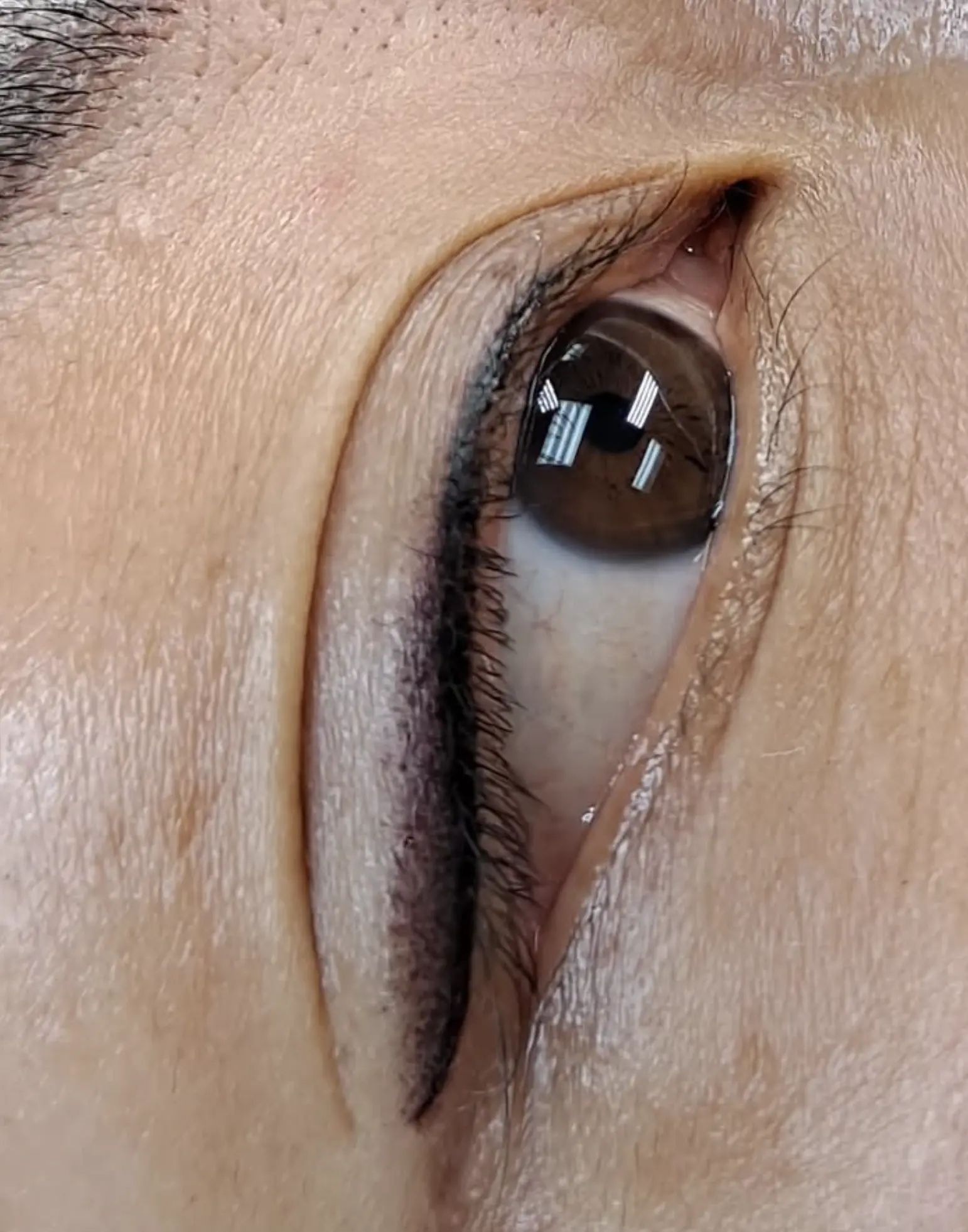
Does permanent eyeliner have to be black? – Now, this is one of those questions that I get asked all the time during consultations here at Face Figurati in Melbourne. And the short answer is – No way, not on your life.
When I first started doing eyeliner tattoos in Melbourne a few years back, just about every client wanted it as dark as possible, “black as coal”, as they’d say. But these days, I’m getting more and more people coming in asking for a really subtle look that enhances their features rather than looking like a full-on make-up job. That’s where things get really interesting – all that science and tech of pigment chemistry, the artistry and all that comes together.
Contents
Eyeliner Pigments – Beyond Black
The thing is, permanent eyeliner doesn’t have to be black. Because let’s face it, pigment chemistry has moved on a fair bit since I started. We now have iron oxide and carbon-based pigments that are way safer, way more long-lasting and far more colour stable. And the best bit is – they’re approved by the Colour Index, which means they all meet the global standards for safe use in the delicate skin around the eyes.
Now, let’s take a look at some of the more popular pigment tones that we use in permanent eyeliner procedures:
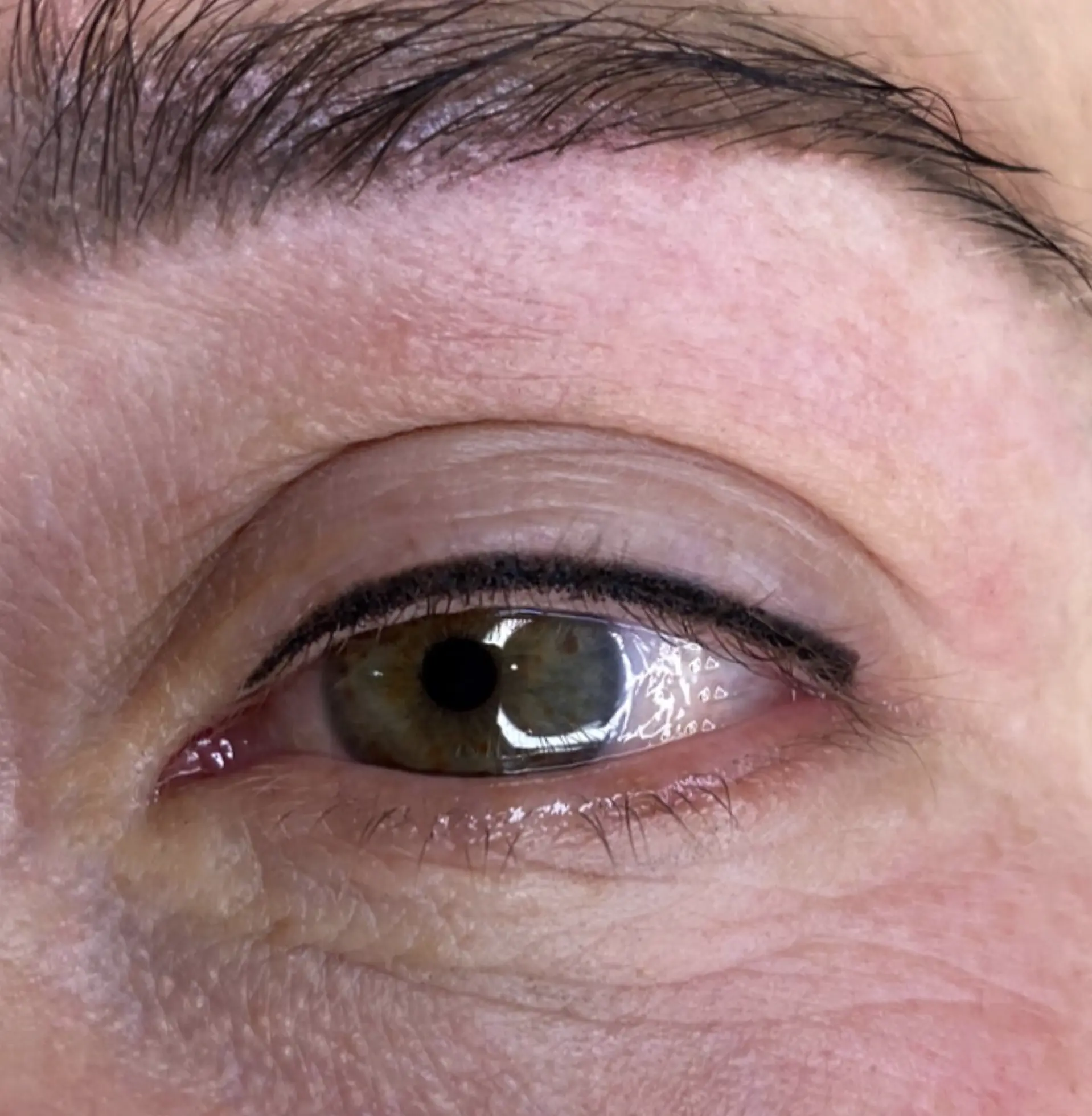
- The classic black look: good old carbon black, which is really great for getting that depth and precision.
- Blended black: gives you a great crisp definition and is a lot less likely to have any colour migration problems.
- Neutral shade blackish brown is perfect for people with fair skin or who are looking for a bit of a softer look.
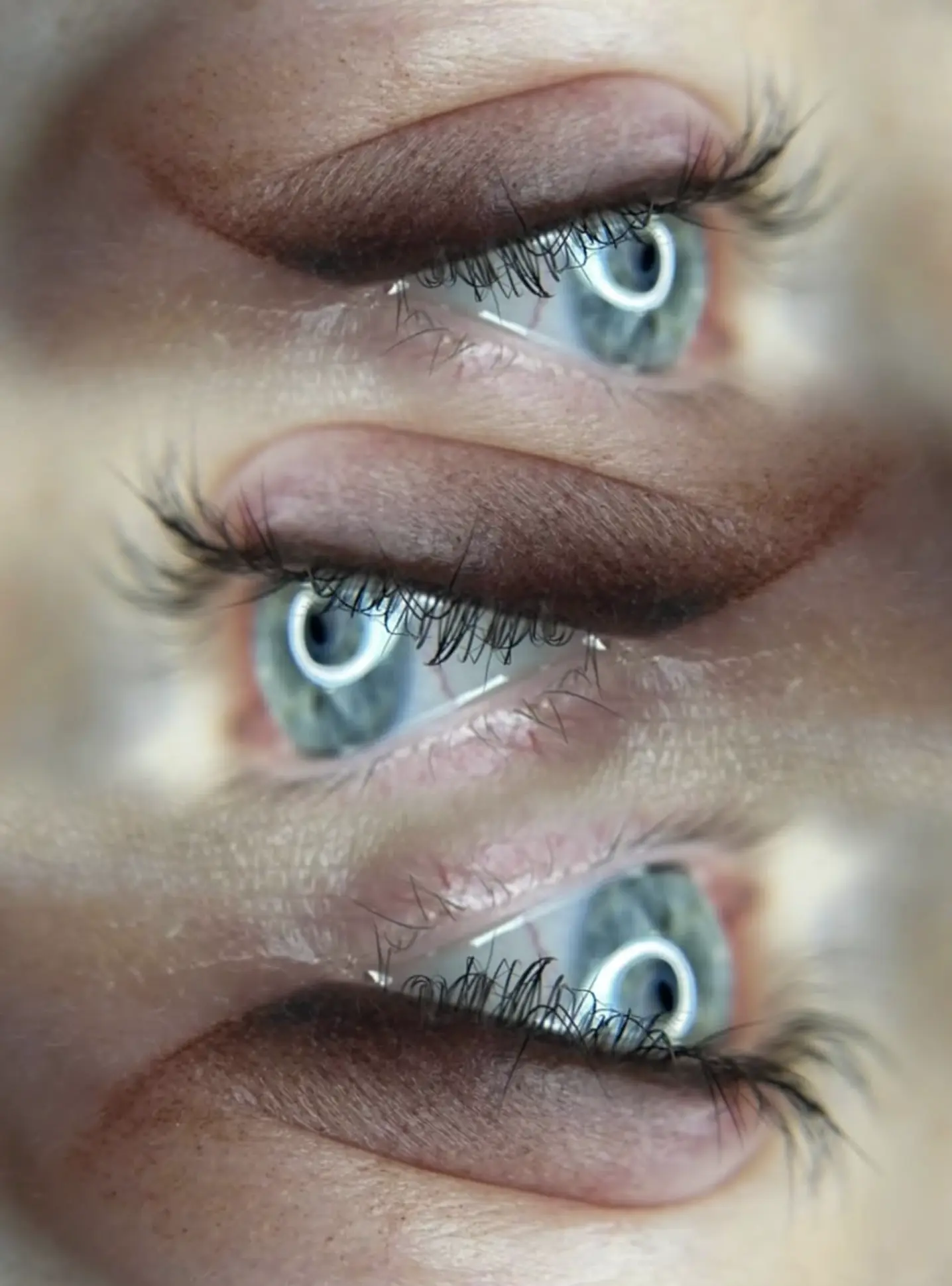
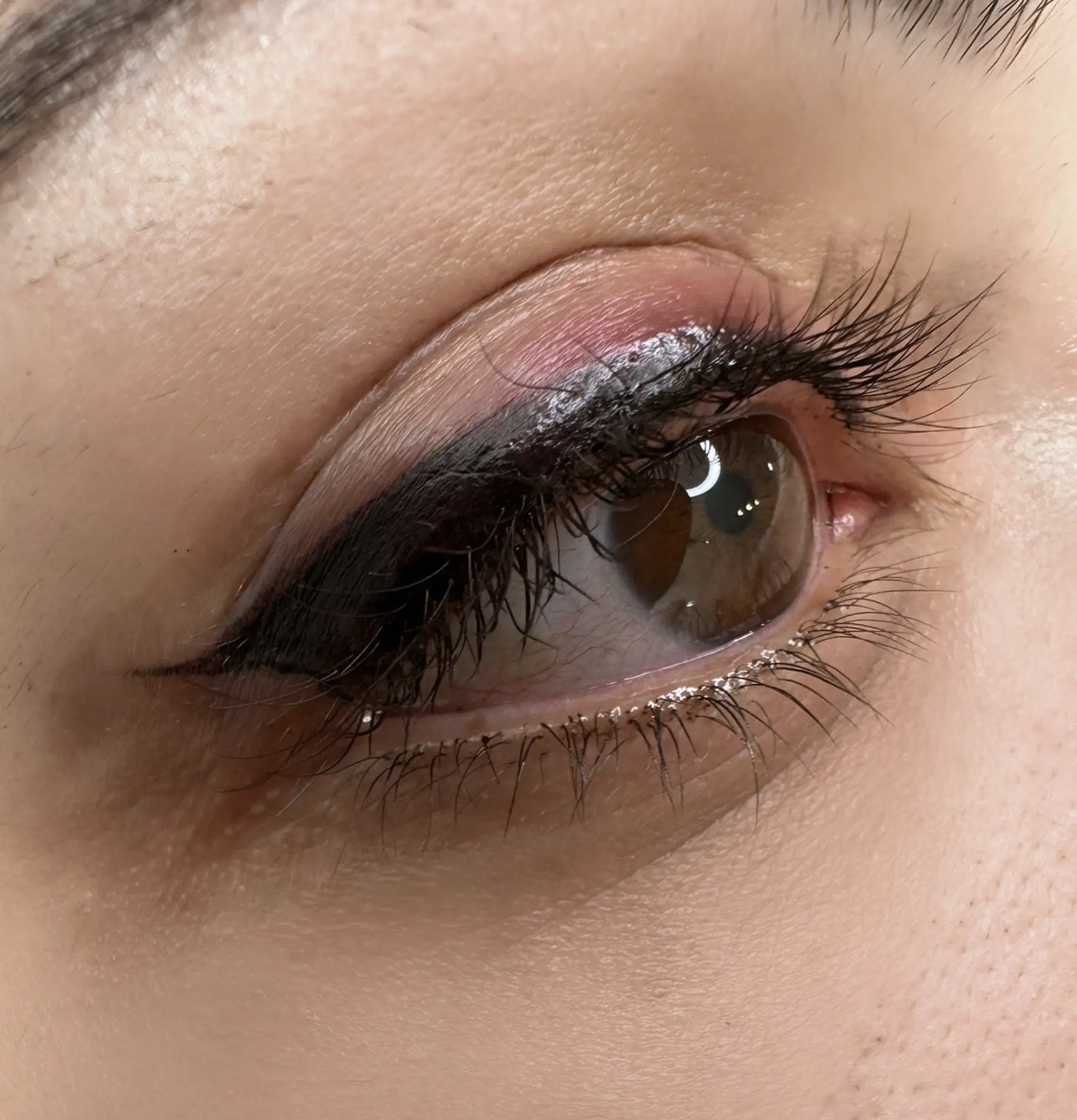
- Halo colour: a really subtle shading technique that gives you that nice diffused, smoky look you want without looking too done up.
Every one of these pigments has its own quirks when it comes to UV light, though. Lighter ones are going to fade faster, and if you’re going to be out in the sun a lot without some decent dark sunglasses or a good SPF, the carbon blacks are going to start looking a bit cooler after a while.
Pigment Options And Suitability
Below is a quick guide to some of the most popular pigment shades and their ideal matches:
| Pigment Shade | Best For | Undertone | Intensity | Longevity | Overall Look |
|---|---|---|---|---|---|
| Black Beauty | Medium–dark skin tones | Cool | High | Long-lasting | Sharp definition |
| Blended Black | Olive–medium tones | Neutral | High | Long-lasting | Soft dramatic |
| Blackish Brown | Fair–mature skin | Warm | Medium | Moderate | Gentle contrast |
| Smoky Taupe | Very fair skin | Cool–neutral | Light | Moderate | Barely-there tint |
| Halo Grey | Hooded eyelids or thin skin | Cool | Medium | Moderate | Soft shaded effect |
Each pigment on the table above gets certified by Colour Index and is specifically made for cosmetic use. I steer clear of non-certified inks used for body tattoos, which have a tendency to contain heavy metals or unstable dyes.
Why Skin Tone (And Age) Really Matters
Picking the right pigment isn’t just about style – it’s about how your skin tone and body interact with the ingredients.
For fair skin, dark pigments tend to show up way too much after healing, making a deep carbon black end up looking way too harsh. On the other hand, clients with mature skin or hooded eyelids usually suit a brown or charcoal base because it does a better job of defining without overpowering.
Before putting pigment in, I always do a test swatch to see how your skin reacts and how the colour will heal – without going chalky or too cool over time.
Pigment Science: Why Black is Far From Best
Let’s get a bit technical. Most cosmetic tattoo eyeliner pigments fall into one of two families:
- Carbon-based pigments — Made from super fine carbon particles, these deliver really intense, pure black tones, but can migrate if you overdo it in thin skin
- Iron-oxide based pigments — Softer, more natural, and fade gradually over time with predictable colour shifts.
If a client has any medical conditions that affect skin sensitivity or wears contact lenses, I tend to lean towards an iron-oxide formula, which is a lot gentler on the eyes.
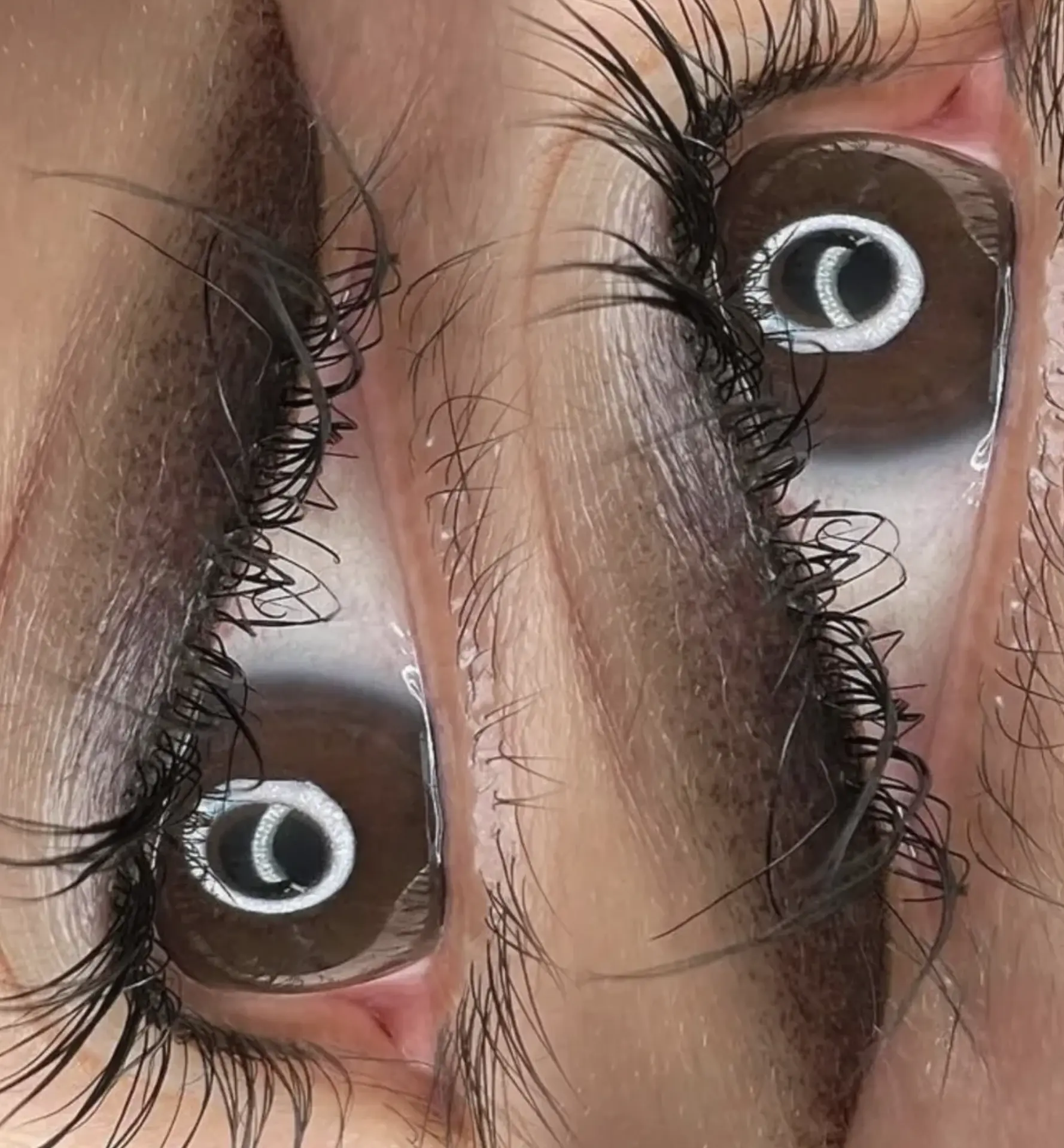
Since the eyes are really delicate, everything – from the needle type to pigment viscosity – needs to be precisely controlled. If you overwork the area, you increase the risk of inflammatory reactions or the pigment spreading out (which is commonly known as “haloing”).
That’s why your artist’s training and hygiene standards are just as important as the pigment itself.
Climate And Healed Colour
Our Melbourne climate can be crazy — dry one week, humid the next. This affects not only your skin’s moisture levels but also pigment oxidation.
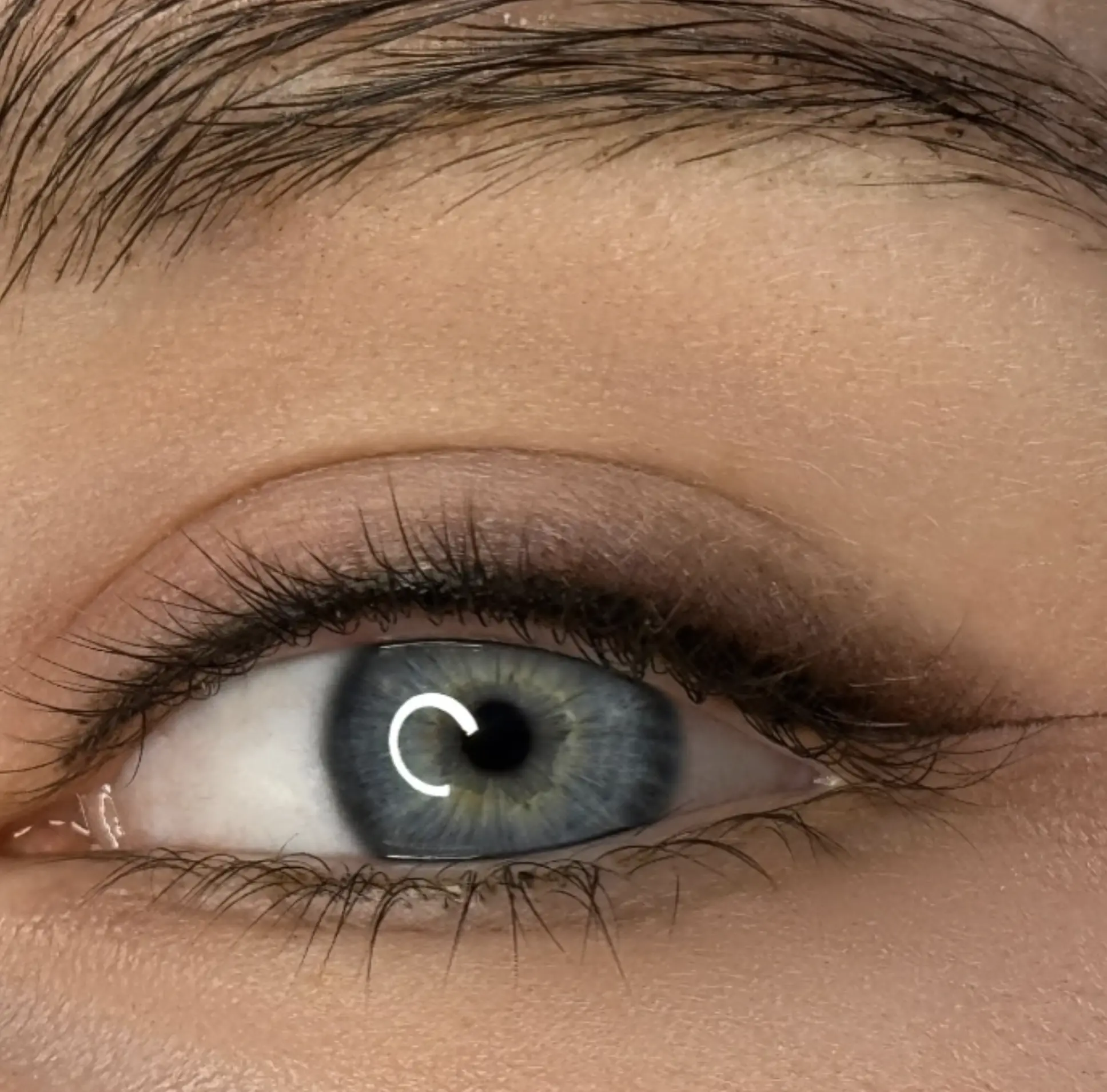
Exposure to UV light speeds up fading, especially for brown-based pigments. Always wear sunglasses outdoors and use sunscreen once healed.
For long-term results, book a top-up every 12–18 months. Regular refreshers keep the tone and definition in balance without needing a full tattoo removal later on.
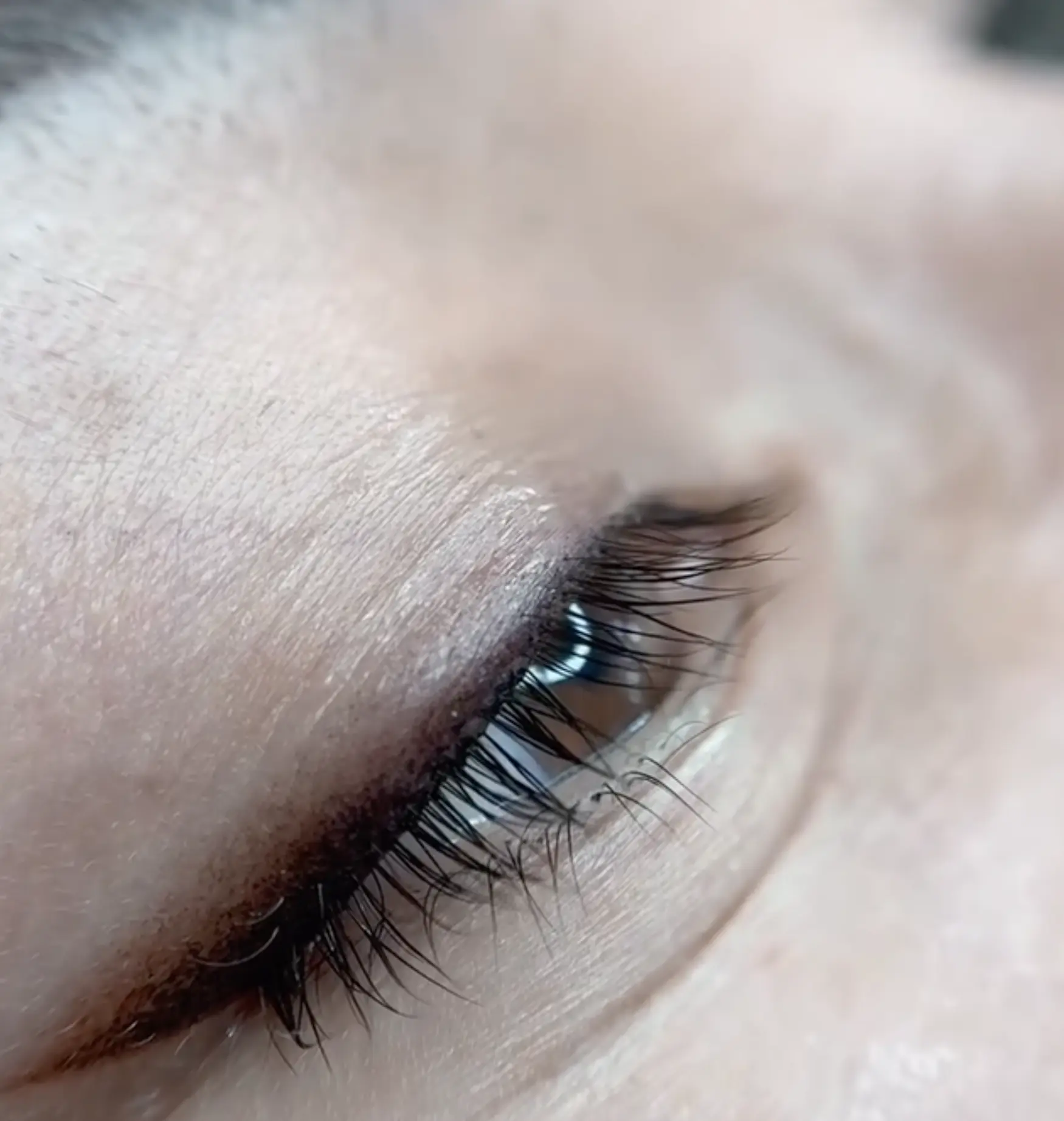
Pricing And Maintenance In Melbourne
Across Melbourne, permanent eyeliner tattoos cost between $450–$800, depending on style and pigment. A lash-line enhancement is on the lower end, while full-winged liner or halo colour shading is higher.
Most clients come back every 1–2 years for a colour refresh — it’s a simpler, quicker appointment than the first. Removing old pigment is always possible with laser tattoo removal, but proper maintenance usually prevents the need.
FAQ
Does Permanent Eyeliner Always Look Black When Healed?
No. The final colour depends on your skin tone and pigment type. Browns, greys and charcoals heal softer than true black.
How Long Does Coloured Eyeliner Pigment Last?
2–4 years. Carbon-rich pigments last longest but may cool slightly under UV exposure.
Can I Change From Black To Brown Later?
Yes. During your top-up up we can blend or neutralise old pigment safely without full tattoo removal.
Is It Safe If I Wear Contact Lenses?
Yes — just remove them during your appointment. You can put them back in the next day once swelling subsides.
What If I Have A Medical Condition Like Dry Eyes Or Skin Sensitivity?
We’ll assess that during consultation. In most cases, we can adjust the pigment type and depth to keep the healing process safe and comfortable.