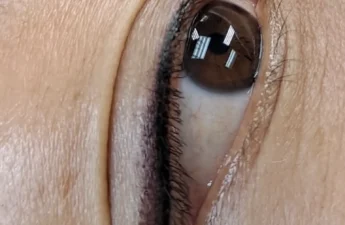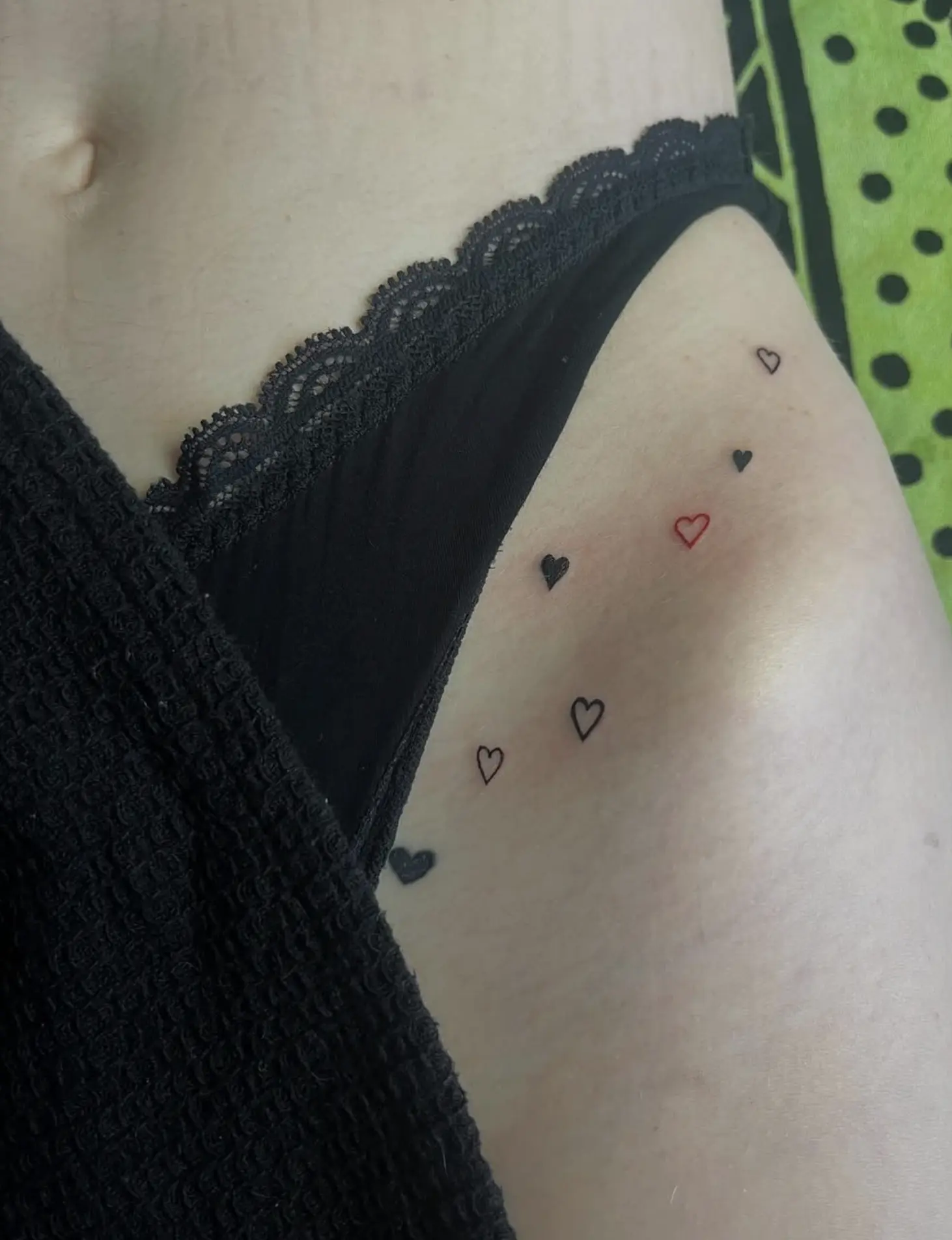
When clients ask me, “What should I look for in a Fine Line Tattoo Artist?”, I always smile — because it’s one of the best questions you can ask before getting inked. Choosing the right artist isn’t just about finding someone with a steady hand; it’s about trusting a professional who understands skin depth, precision and long-term healing. Fine line tattoos might look minimal, but achieving those soft, even details takes years of practice, high-quality tools and genuine artistic skill.
Contents
Experience And Specialisation Matter Most
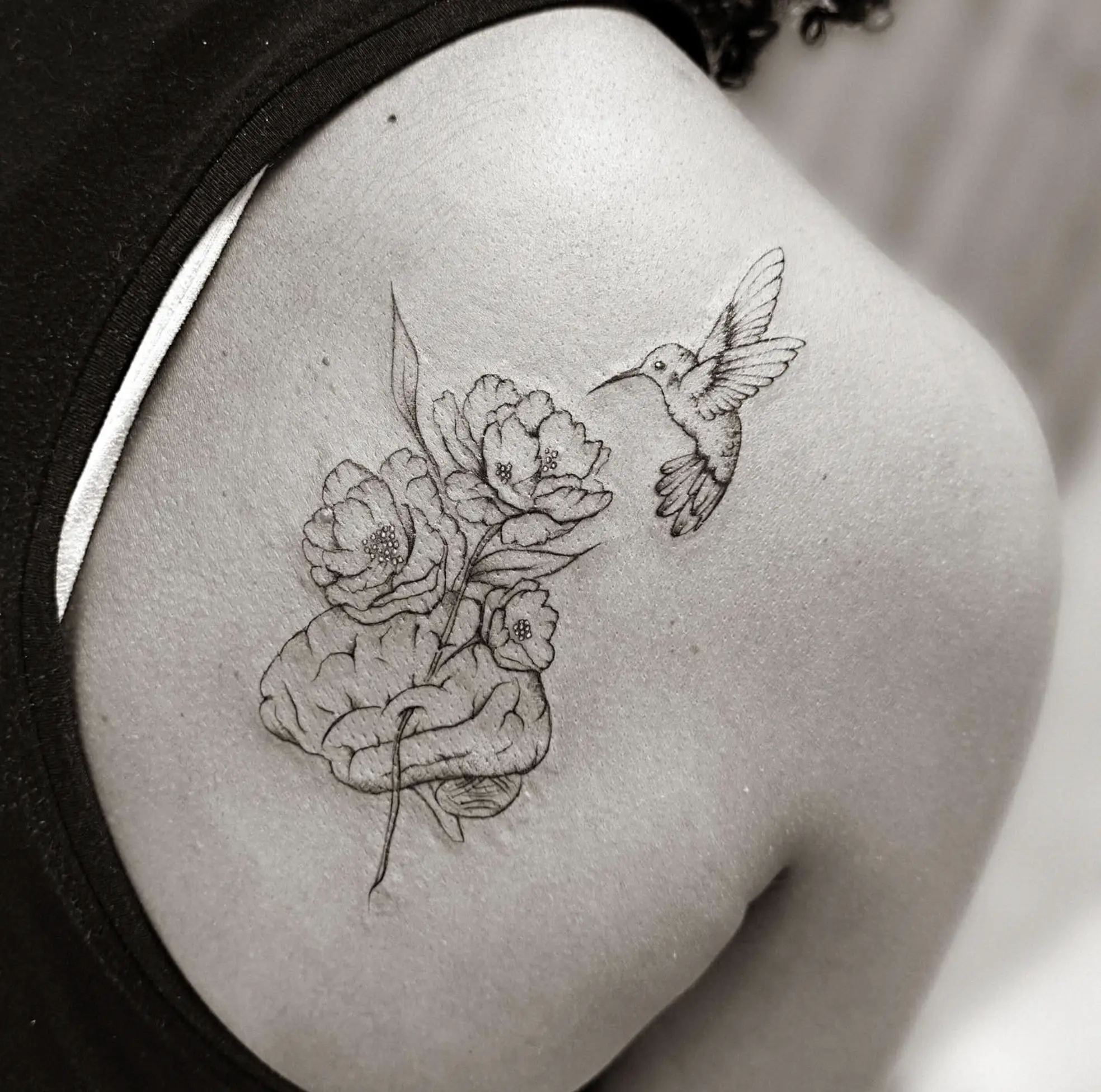
Let’s face it: just because someone can draw a straight line doesn’t mean they can give you the fine line tattoo that will look awesome for years to come. What you need is an artist who’s done loads of these—preferably with some healed examples they can show you.
At Face Figurati, I’ve seen clients come in with really uneven line work that fades and goes patchy within a few months because the artist has used the wrong machine or got the pigment depth all wrong. Fine line tattoos demand a level of consistency, patience and years of experience when it comes to understanding skin.
If you’re an aspiring artist looking to get into fine line work, getting a fine line tattoo course through Cosmetic Tattoo Melbourne is a great place to start. Being trained by a certified educator means you’ll learn the proper techniques for depth control, how to get pigment to behave and the importance of hygiene standards – the same things that separate a pro from an amateur.
When you’re on the hunt for an artist, be sure to ask the following:
- How long have you actually been specialising in fine-line tattoos?
- Can I see some pictures of your healed work – not just your latest ones?
- What kind of needles do you use when working with delicate work?
It’s not being pushy – it’s just smart. A good artist will have no problem walking you through their processes.
Hygiene and Safety Come First
It really doesn’t matter if someone is good at tattooing if they cut corners on cleanliness. A proper tattoo studio should be registered with the local council, use medical-grade sterilisation, and follow Australia’s strict infection control guidelines.
If you’re looking for a studio in Melbourne, here’s what you should be looking for:
- Single-use needles and new barrier wraps every time
- Gloves, masks, and clean – clean – surfaces
- Sterile pigment cups and disposable trays
- Certificates showing they’ve done their infection control training
At Face Figurati, every session starts with a clean slate and ends with a proper, sterile clean-up. Your skin is worth that level of care.
Portfolio: Look Beyond Instagram Filters
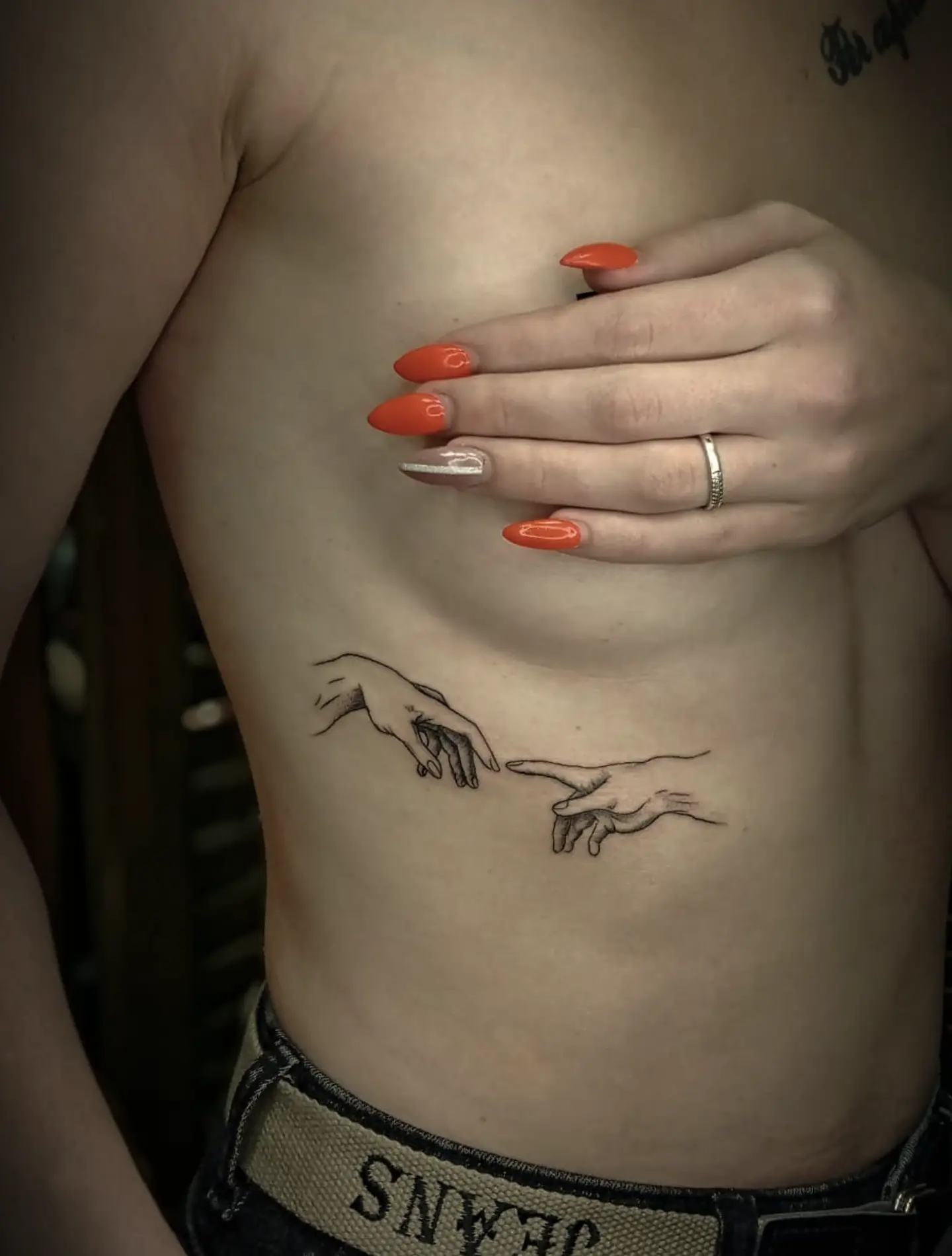
A good tattoo artist’s portfolio should showcase their range, precision, and how their work looks after it’s had time to heal – not just the super-polished ‘day one’ shots. Take your time going through their social media or website and look for:
- Long after pictures – at least 3-6 months post-op
- A consistent line weight and sense of balance
- A flow that looks natural against the contours of the body
- No over- or underdone edges
In Melbourne’s beauty and tattoo scene, presentation is everything, but the real test is how well the work holds up in the long term.
| What To Check In A Portfolio | Why It Matters |
|---|---|
| Healed Photos (Not Just Fresh Ink) | Shows True Skill And Pigment Retention |
| Consistent Fine Lines | Indicates Steady Technique |
| Anatomical Flow | Ensures Design Fits Body Curvature |
| Range Of Styles (Text, Florals, Symbols) | Reflects Adaptability And Artistic Understanding |
Matching Technique to Skin Type
Different skin types – from dry to greasy, pale to deep – all react differently to tattoo ink. Our Melbourne weather isn’t exactly kind to skin either. Summer and its heat and humidity can delay healing; winter skin just dries out or fades fast.
A seasoned artist knows how to adapt to all these differences:
- Oily Skin: Need to go a bit deeper with the ink to stop it spreading.
- Dry Or Mature Skin: Gotta ease up on the pressure and go slower to avoid causing damage.
- Sensitive Skin: Always do patch tests before the actual appointment to make sure we’re not gonna have any issues.
I tailor my approach to each client’s skin type and take that extra step to ensure the results last for years to come.
Equipment And Pigment Quality
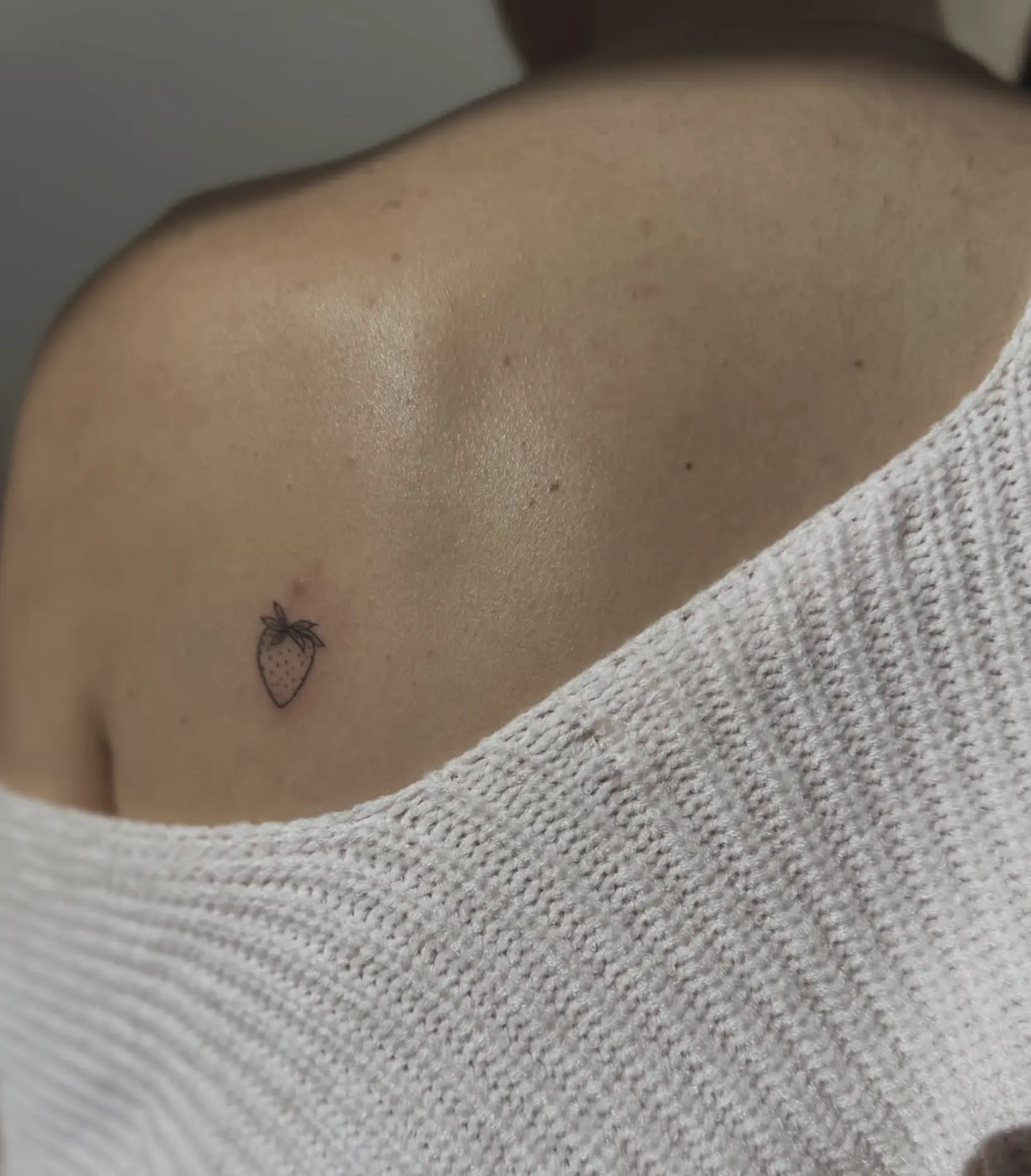
Fine line tattoos are all about using the right tools – and that means high-quality machines with steady voltage, and top-grade inks that stay the same shade. Don’t even get me started on studios using cheap inks – they’re a rubbish investment in the long run.
In my studio, I use only top-of-the-line European inks and German rotary machines for precision. These make the whole process smoother and give us the crisp, long-lasting results clients are after. If they can’t name the brands they use, that’s your first red flag.
Consultation Style: Trust Your Gut
The consultation is about more than just picking a design – it’s about making sure you two get along. A good artist will take the time to really understand your vision, where you want it placed, and what you’re hoping to get out of it.
At Face Figurati, when we have a consultation, we:
- Chat about your design ideas, what they mean to you, and exactly where you want them
- Take a good, hard look at your skin type and tone
- Break down how the healing process works, what you need to do to look after it, and how to keep it looking good for years to come
- Give you honest feedback – because some ideas won’t work on certain skin types.
If you ever feel rushed or like you’re not being taken seriously, maybe it’s time to walk away. The best tattoos come from collaboration—not convenience.
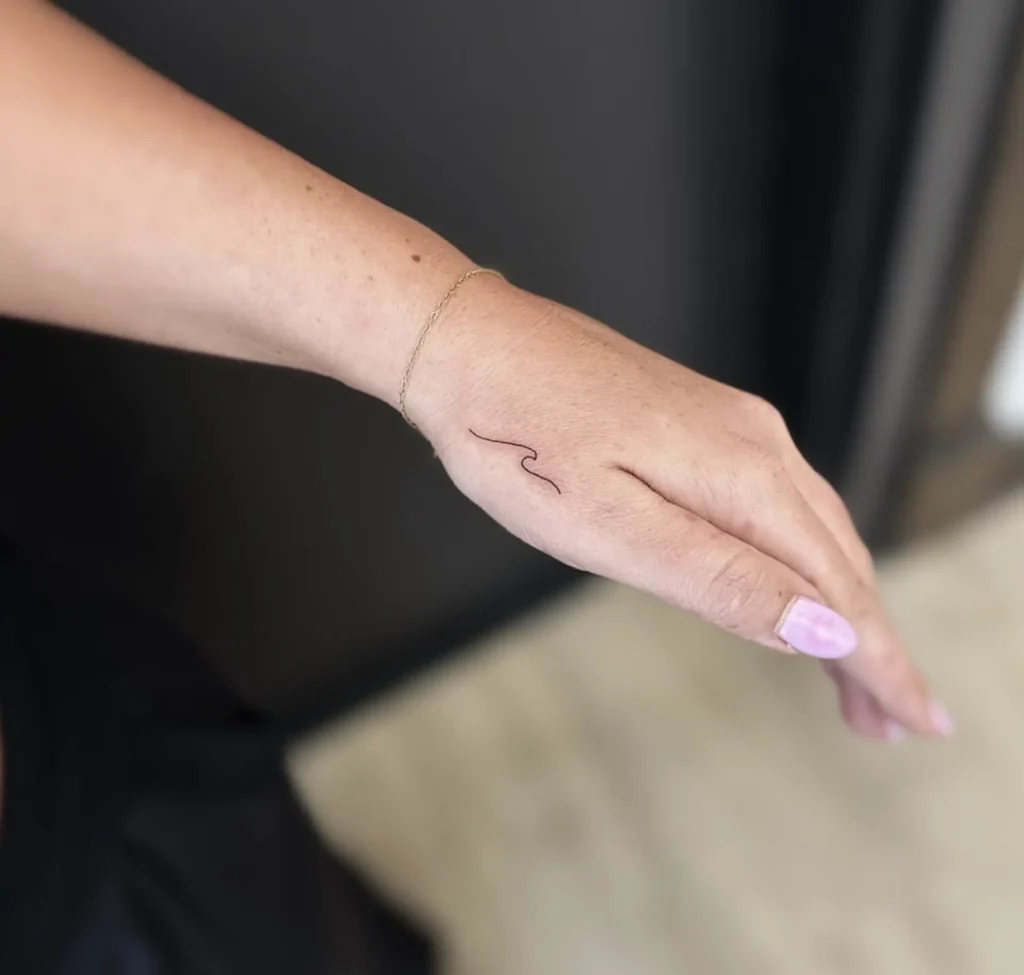
Common Red Flags To Avoid
Not all tattoo artists in Melbourne play by the rules. Here are a few warning signs to watch out for:
- No Portfolio Of Healed Work
- Cheap Pricing That Sounds Too Good To Be True
- No Business Registration Or Hygiene Certification
- No Patch Test Or Aftercare Instructions
- Pressure To Book Quickly Or Skip The Consult
Your tattoo is permanent. Don’t rush because of a sale or social media hype. Trust me — I’ve seen the cost of “bargain tattoos” when clients come in for corrections later.
At Face Figurati, part of Cosmetic Tattoo Melbourne, I specialise in delicate, precise cosmetic tattoos and fine line work that flatter the face, suit the skin and last beautifully. Clients often sign up for sessions not just for the result but for the unforgettable experience of receiving the gift of tattoo art — something personal, meaningful and timeless.
FAQ
Do Fine Line Tattoos Fade Faster?
Yes, they can — because the lines are thinner and use less pigment. With proper aftercare and sunscreen, though, they can last beautifully for years.
Is It More Painful Than A Regular Tattoo?
Not necessarily. Fine line tattoos are often gentler because the needle doesn’t go as deep, but pain tolerance varies. I always use numbing cream if needed.
Can I Get A Fine Line Tattoo If I Have Sensitive Skin?
Yes, but patch testing is important. Always tell your artist about any allergies or reactions before the session.
How Soon Can I Go Swimming After A Fine Line Tattoo?
Avoid swimming or soaking for at least two weeks — moisture slows healing and can affect pigment retention.
What’s The Best Placement For Fine Line Tattoos?
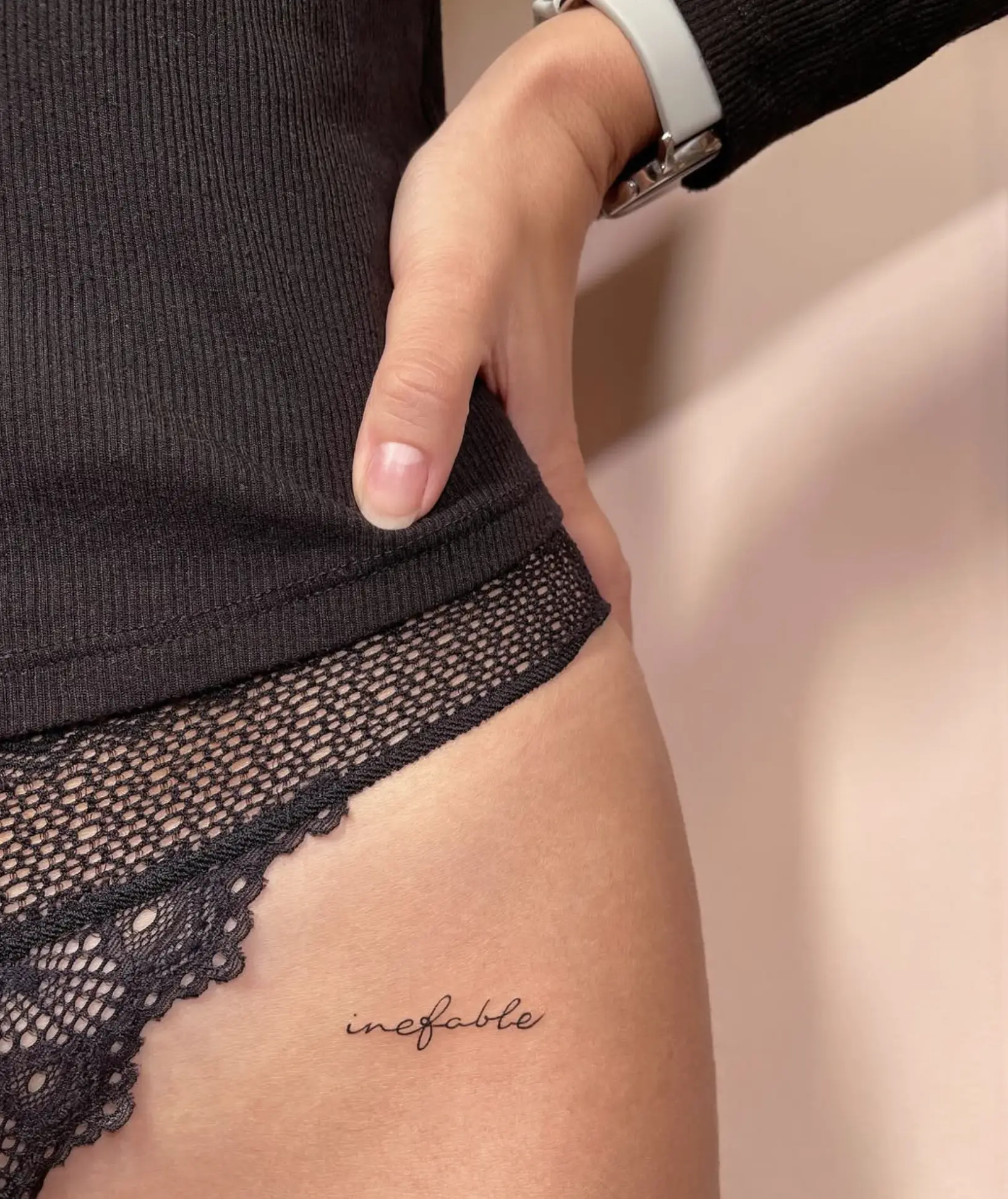
Areas with less friction (like forearms, collarbones or ankles) age better. Avoid spots like fingers or inner thighs if you want longevity.